2025

The 80th Anniversary of Archaeology at the University of Wrocław

KOBS, AUROCHS AND CLAMS. Human Behavior in Late Pleistocene sub-Saharan Africa. The Middle Stone Age in the Affad Basin, Sudan

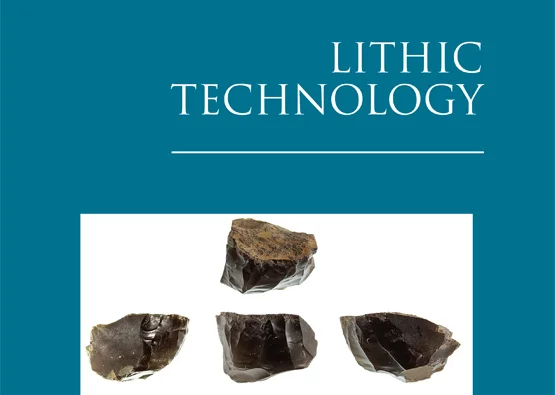
Holocene Lithic Traditions on the Middle Nile in Light of New Data from Letti, Sudan

Cross-crafting in standardized and customized metallurgy. Some examples from Bronze Age Poland

progeCAD Professional 2025

Geoarchaeological research on site formation process, paleoenvironment, and human behaviors in the early Holocene (…)

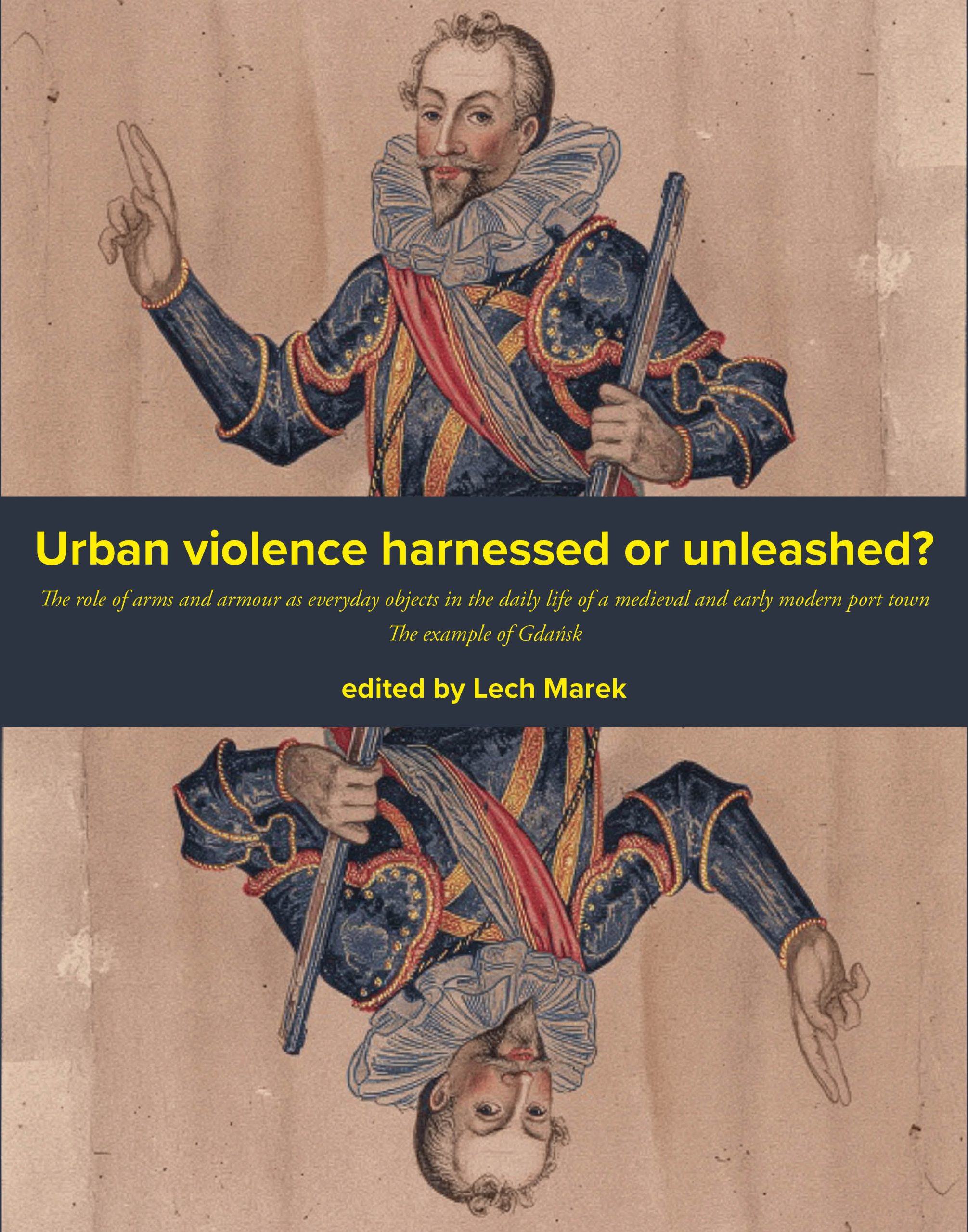
Urban violence harnessed or unleashed?

Urban violence harnessed or unleashed? The latest publication from the Institute of Archaeology at the University of Wrocław is the final outcome of the project Urban Violence Harnessed or Unleashed? Arms and Armour as Elements of Everyday Life in a Medieval and Early Modern Port Town: The Case of Gdańsk, conducted under the direction of […]

Enamel–dentine junction morphology reveals population replacement and mobility in the late prehistoric Middle Nile Valley

Deciphering Sudetic landscape history by using alluvial geoarchives: Holocene environmental changes at Hala Izerska, SW Poland

The earliest Holocene wanderers through the Gobi Desert evidenced by the radiocarbon chronology of the lakeshore settlement (…)

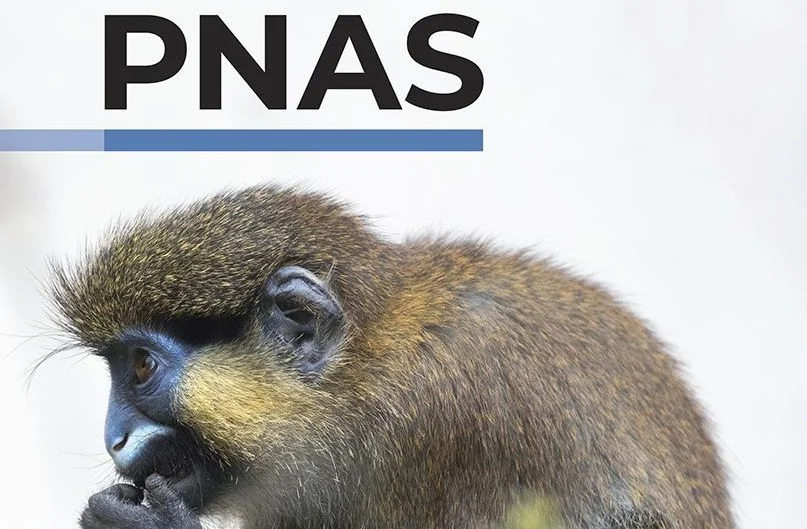
Cattle domestication revisited: Middle Nile evidence suggests independent origins in Africa 10,000 years ago

Early Neolithic grinding practices in central Europe: A case study from the LBK micro-region in southwestern Poland

Podcast Blazing the Trail

Stages and chronology of Late Holocene transformation of Chernozems into Luvisols in the loess belt of south-west Poland

Cezary Kabala, Mateusz Krupski, Maksym Mackiewicz, Agnieszka Przybył, Michał Dudek, Magdalena Bednik; Catena, March 2025 Stages and chronology of Late Holocene transformation of Chernozems into Luvisols in the loess belt of south-west Poland We are pleased to announce that Agnieszka Przybył, PhD is a co-author of the scientific article entitled “Stages and chronology of Late […]

Projekt „Zintegrowany Program Rozwoju Uniwersytetu Wrocławskiego 2018-2022” współfinansowany ze środków Unii Europejskiej z Europejskiego Funduszu Społecznego

Fundusze Europejskie
Rzeczpospolita Polska
Unia Europejska