2025

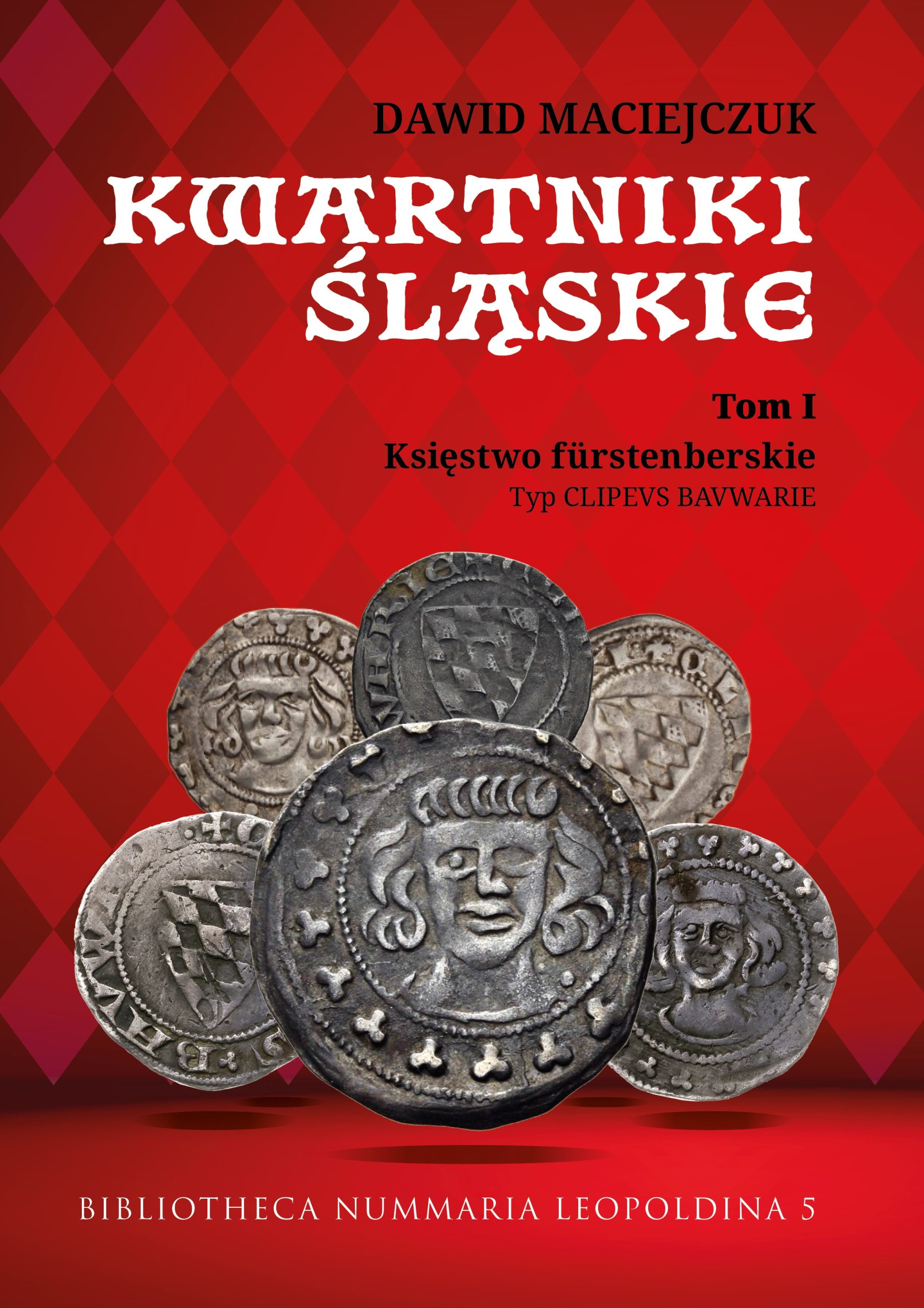
Kwartniki śląskie. Tom I. Księstwo fürstenberskie. Typ CLIPEVS BAVWARIE

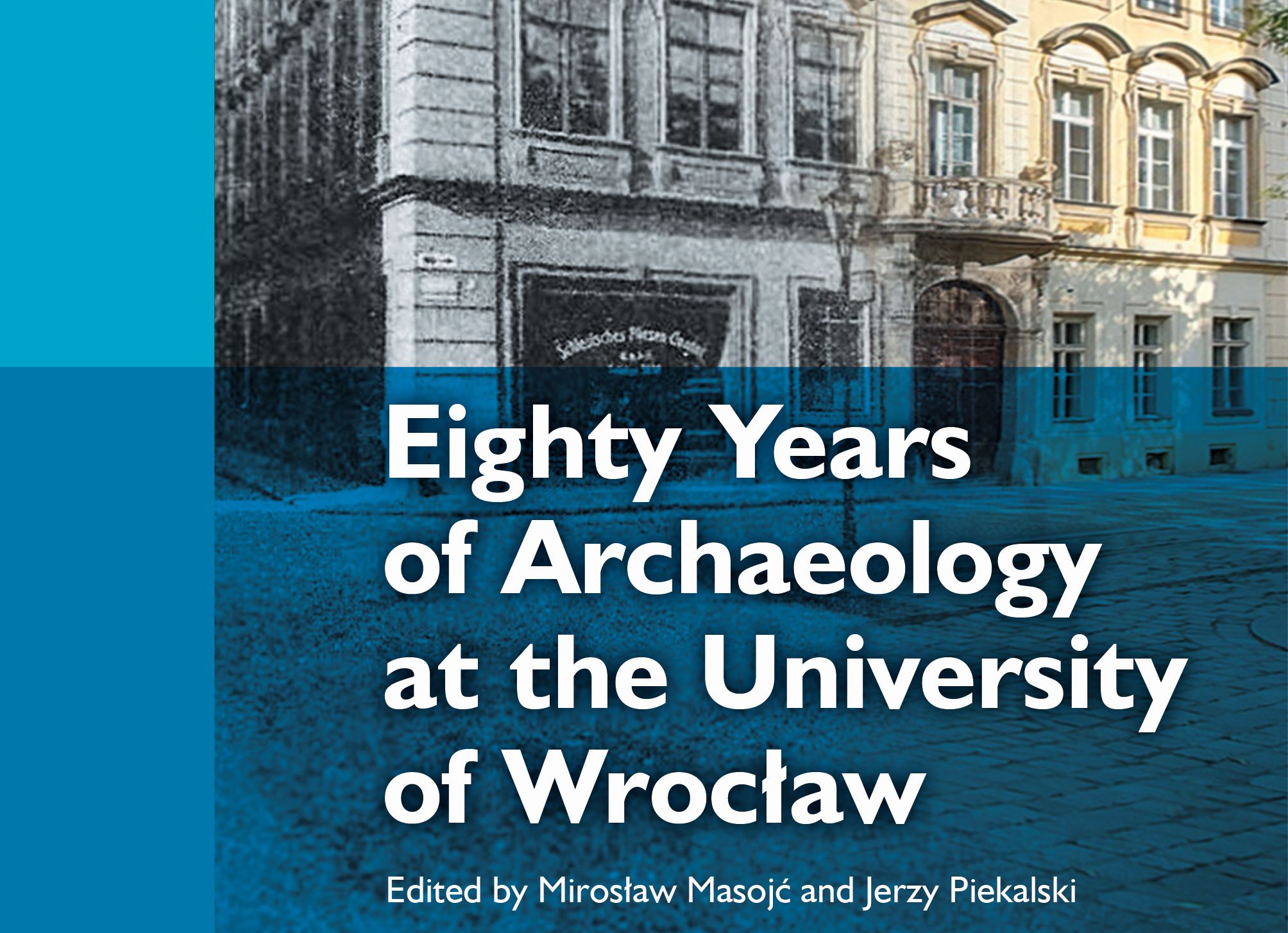
Osiemdziesiąt lat archeologii na Uniwersytecie Wrocławskim

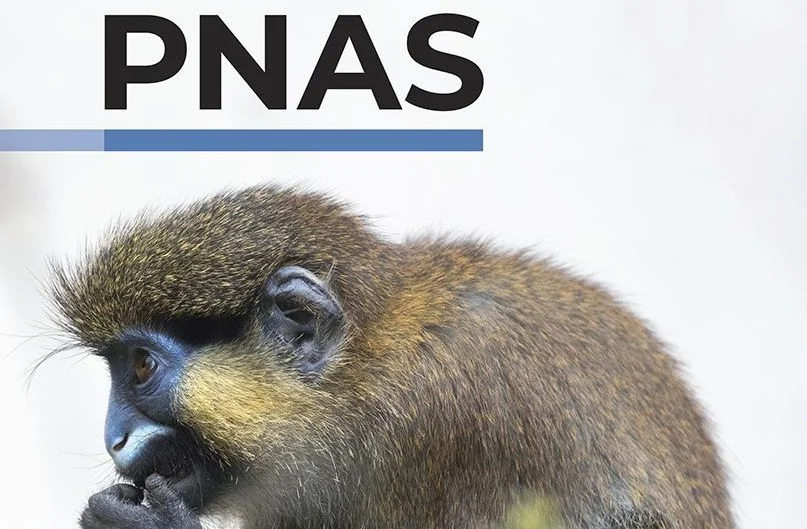
A centurion’s monkey? Companion animals for the social elite in an Egyptian port on the fringes of the Roman Empire in the (…)

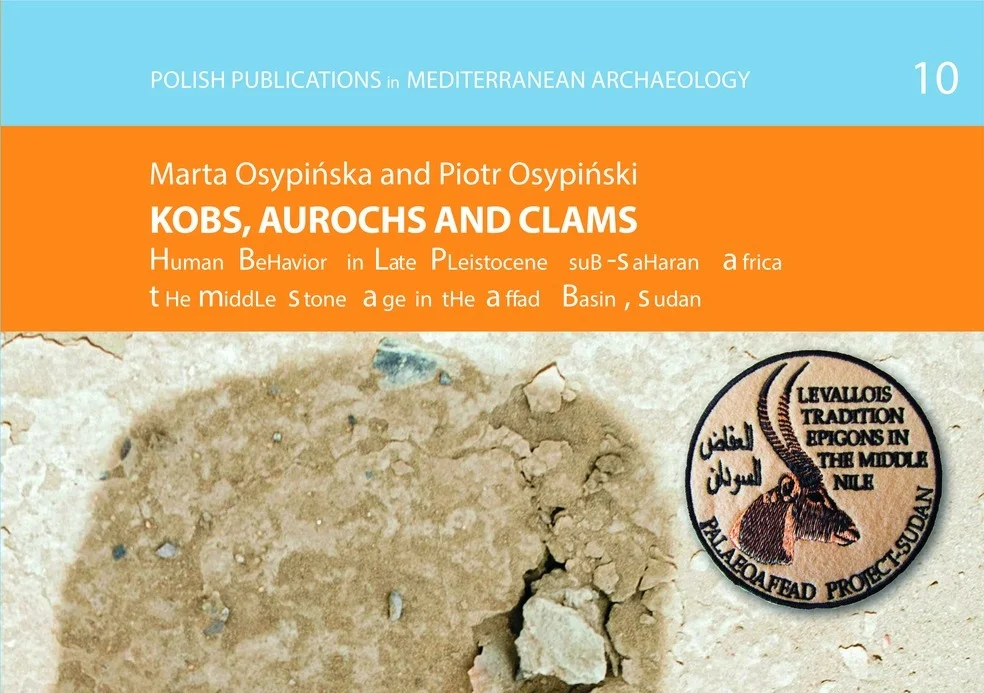
KOBS, AUROCHS AND CLAMS. Human Behavior in Late Pleistocene sub-Saharan Africa. The Middle Stone Age in the Affad Basin, Sudan

Holocene Lithic Traditions on the Middle Nile in Light of New Data from Letti, Sudan

Cross-crafting in standardized and customized metallurgy. Some examples from Bronze Age Poland

progeCAD Professional 2025

progeCAD Professional 2025 dla studentów i pracowników Instytutu Archeologii Dostawcą edukacyjnej wersji 2D&3D programu progeCAD Professional jest biuro konstrukcji i rozwoju SoliCAD, s.r.o. Zainteresowanych instalacją pakietu progeCAD 2025 Professional (polska wersja) prosimy o kontakt z pomoc.wnhp@uwr.edu.pl. Licencja obecnie instalowanej wersji obowiązuje do 8 października 2026 r.

Geoarchaeological research on site formation process, paleoenvironment, and human behaviors in the early Holocene (…)

Rozwój kompetencji analitycznych i prezentacyjnych poprzez interdyscyplinarne badania nad tekstyliami prekolumbijskimi (…)

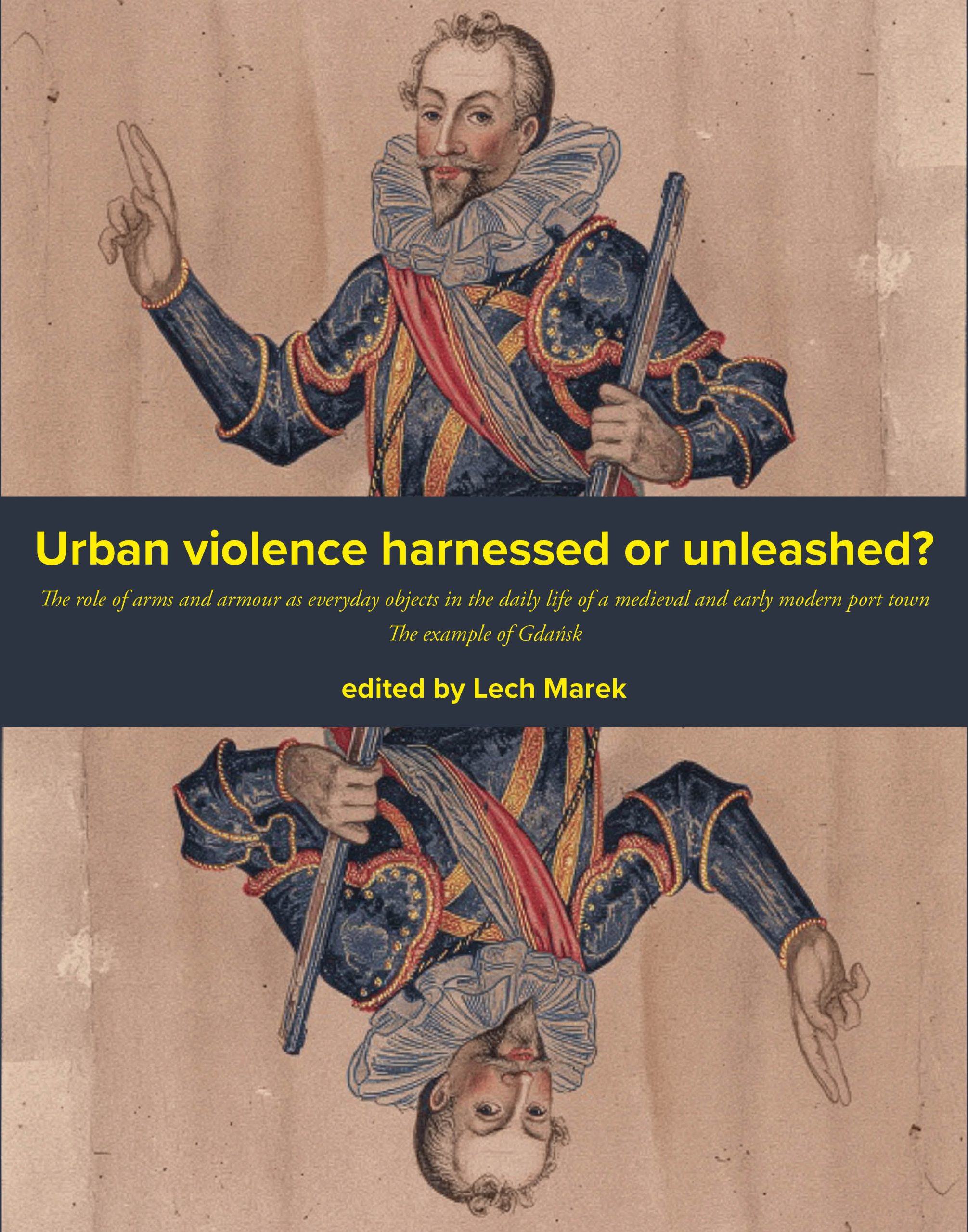
Urban violence harnessed or unleashed?

A Roman fibula from a transcontinental port on the fringes of the Empire

A jewel worthy of a duke from the moat of Castle Kolno

Enamel–dentine junction morphology reveals population replacement and mobility in the late prehistoric Middle Nile Valley

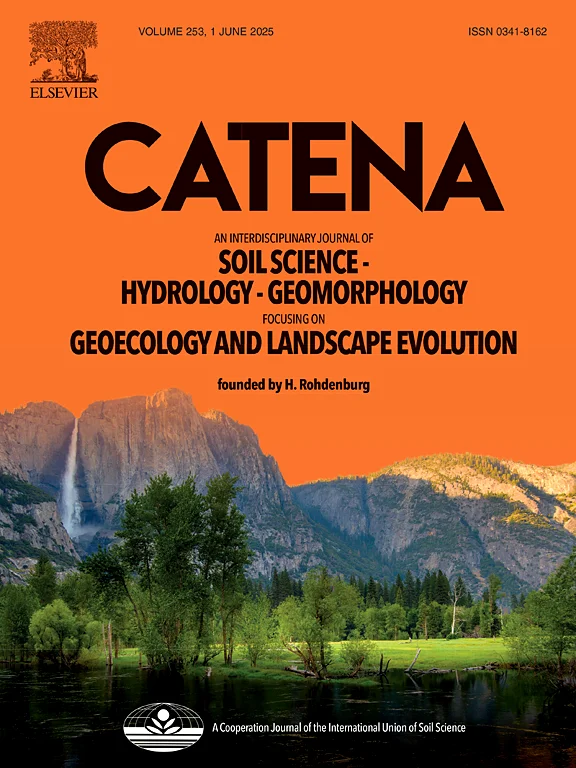
Deciphering Sudetic landscape history by using alluvial geoarchives: Holocene environmental changes at Hala Izerska, SW Poland

Knut Kaiser, Marek Kasprzak, Katarína Adameková, Marek Błaś, Anna-Maartje de Boer, Kryštof Derner, Paweł Duma, Petr Kočár, Agnieszka Latocha-Wites, Magdalena Opała-Owczarek, Piotr Owczarek, Libor Petr, Jan Petřík, Petr Tábořík, Ernst van der Maaten, Marieke van der Maaten-Theunissen; Catena, czerwiec 2025 Deciphering Sudetic landscape history by using alluvial geoarchives: Holocene environmental changes at Hala Izerska, SW […]
Projekt „Zintegrowany Program Rozwoju Uniwersytetu Wrocławskiego 2018-2022” współfinansowany ze środków Unii Europejskiej z Europejskiego Funduszu Społecznego

Fundusze Europejskie
Rzeczpospolita Polska
Unia Europejska